LAPIP™ Treatment - Richland, WA
Save Failing Dental Implants with Gentle Laser Therapy
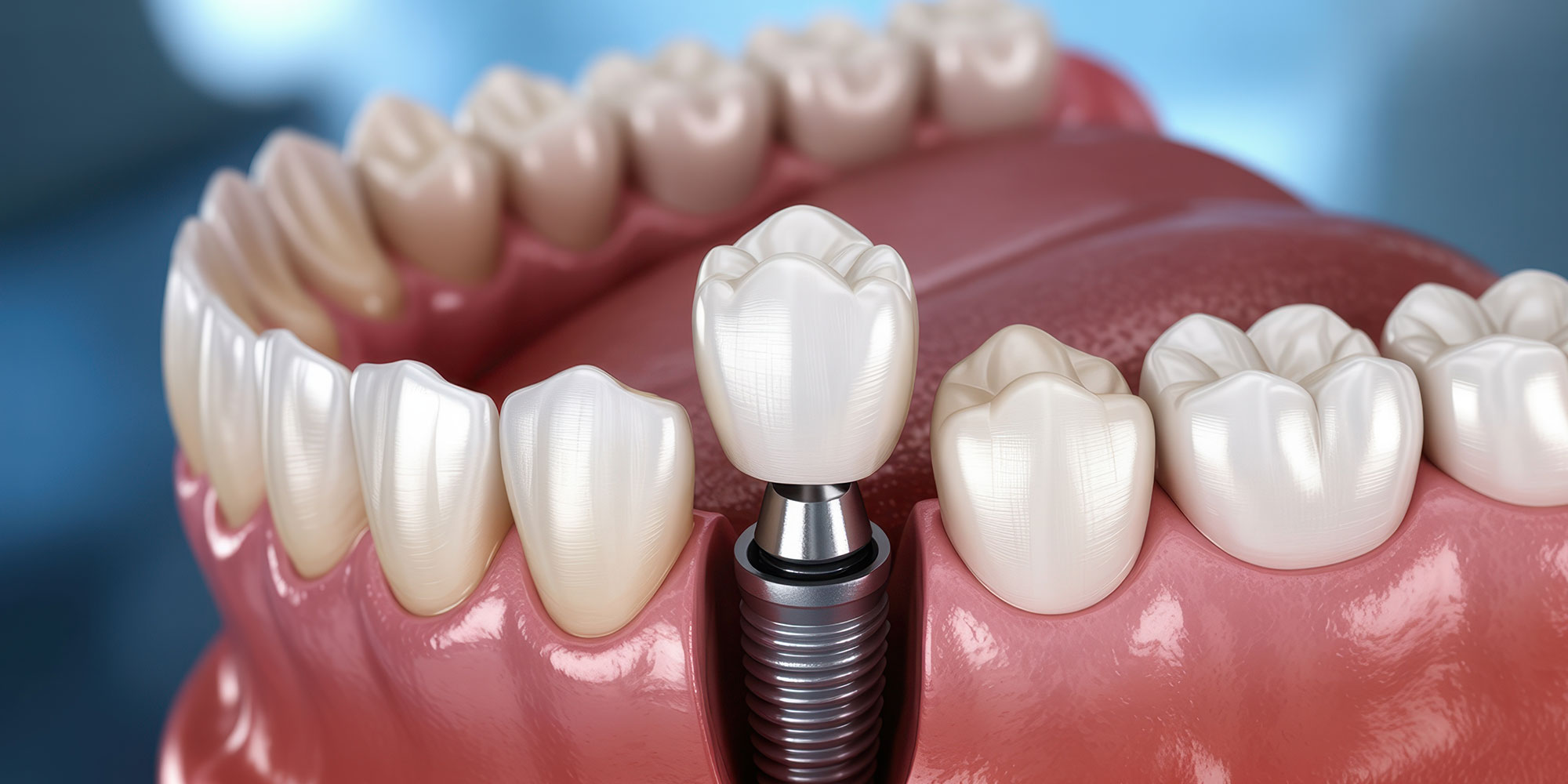
Innovative Laser Technology Gives Ailing Implants a Second Chance
Although dental implants have a success rate of 95–98% when placed by an experienced periodontist or implant dentist, implant failures can occur due to a variety of reasons, including a condition similar to gum disease called peri-implantitis. In the early stages, comparable to gingivitis, peri-implant mucositis only affects the soft tissue surrounding an implant.
Without treatment, peri-implantitis can cause bone loss and failing dental implants. Early detection and treatment at Implant & Periodontal Associates Northwest is crucial for preserving implants and the surrounding bone and preventing implant failures in Richland, WA.

Factors that Can Lead to Failing Dental Implants
- Insufficient bone density or volume to properly support the implant
- Untreated gum disease or infection around the implant site
- Poor oral hygiene leading to peri-implantitis
- Smoking or tobacco use that interferes with fusion and healing
- Chronic medical conditions that impair healing (e.g., uncontrolled diabetes)
- Excessive biting or grinding forces on the implant
- Improper implant placement or failure to fully integrate with the jawbone
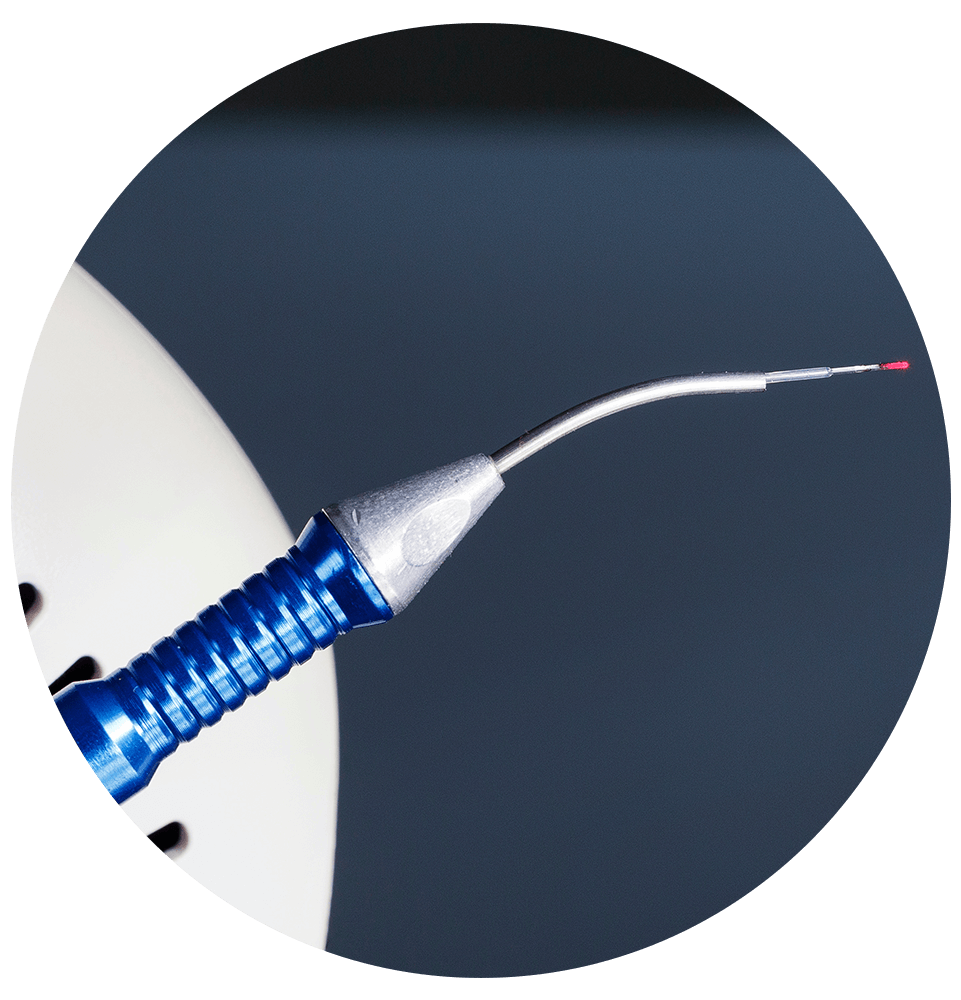
Laser-Driven Disinfection and Regeneration of Failing Dental Implants
LAPIP™ (Laser-Assisted Peri-Implantitis Procedure) is a laser-based procedure that treats peri-implantitis, an infection and disease that can develop around dental implants. Despite the best efforts of both you and our team, complications can occasionally occur with dental implants. Infection may develop below the gumline, which can lead to bone loss around the implant and potentially result in the loss of the implant itself. Peri-implantitis can be caused by gum disease, medication, or even aging.
LAPIP is an innovative, FDA-approved laser therapy that utilizes the PerioLase MVP-7 laser to treat infections around implants and restore oral health. It’s minimally invasive and doesn’t require the use of scalpels or stitches, which means that your tooth structure stays intact and other future treatment options remain viable. In many cases, LAPIP in Richland, WA can regenerate new bone around implants, helping to keep them stable in the jawbone.
A Comparative Look At LAPIP Vs. Traditional Failing Implant Surgery
LAPIP Laser Therapy
- Targets bacteria and infected tissue to support gum and bone healing
- Minimally invasive with no cutting, stitches, or flap surgery
- Faster, more comfortable recovery with little swelling or bleeding
- Enhances natural healing capabilities to help save failing implants
Traditional Surgery
- Invasive flap surgery requiring the removal of a failing implant
- Often requires bone grafting (e.g., socket grafts, ridge augmentation)
- Entails incisions to remove diseased tissue, followed by sutures
- Longer recovery with more swelling, discomfort, and downtime
The Healing Benefits of LAPIP Treatment
- Restores implant health without scalpels or sutures
- Provides effective relief of painful inflammation
- Results in minimal bone loss and gingival recession
- Requires a single two-hour visit, in most cases
- Delivers quick recovery and long-lasting results
- Prevents the need for costly revision implant surgery
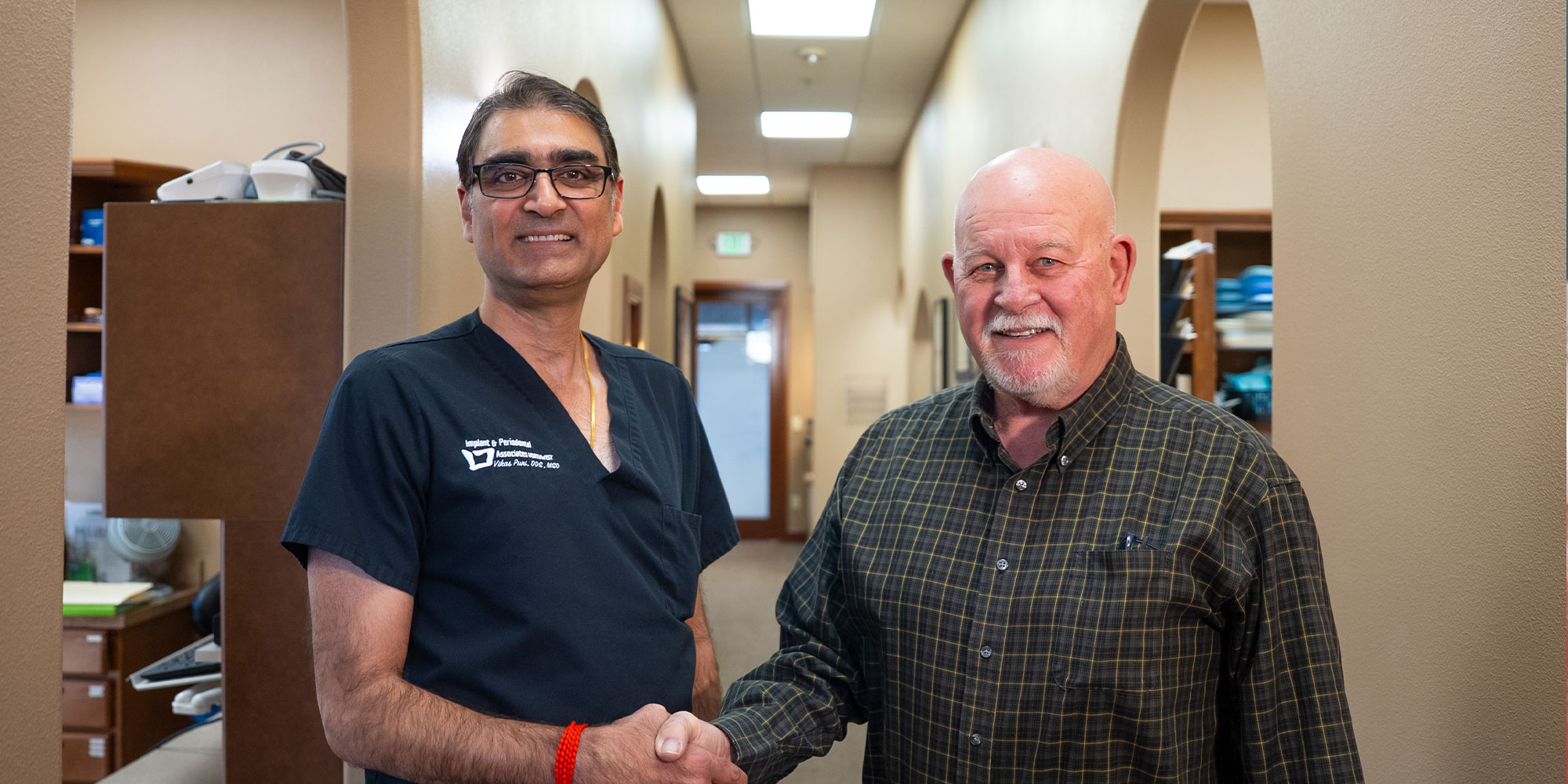
LAPIP Provides At-Risk Dental Implants with a Gentler Method of Revival
When you receive LAPIP treatment at Implant & Periodontal Associates Northwest, our board-certified periodontist, Dr. Vikas Puri, uses a periodontal probe to determine the pocket depth between your teeth and gums, then vaporizes bacteria and diseased tissue with the PerioLase laser.
An ultrasonic scaler is used to remove any plaque or tartar that has accumulated, and then the laser is reapplied to form a stable blood clot in the area, protecting the treated tissue. Studies show that 95% of failing implants treated with the LAPIP protocol reintegrate in the pockets and stabilize with bone growth, typically within three to eight threads.