
At Implant & Periodontal Associates Northwest, we focus on providing you with complete oral health care that extends beyond your gums and teeth. During professional cleanings and routine oral exams, our team looks for abnormalities that may impact your gums, tongue, floor of the mouth, lips, palate, and cheeks.
Although many oral pathologies are benign, early detection is essential for the diagnosis and effective treatment of malignant lesions. We also suggest that you perform a self-examination at least once a month and schedule a visit in Richland, WA, as soon as possible if you detect anything that appears abnormal.
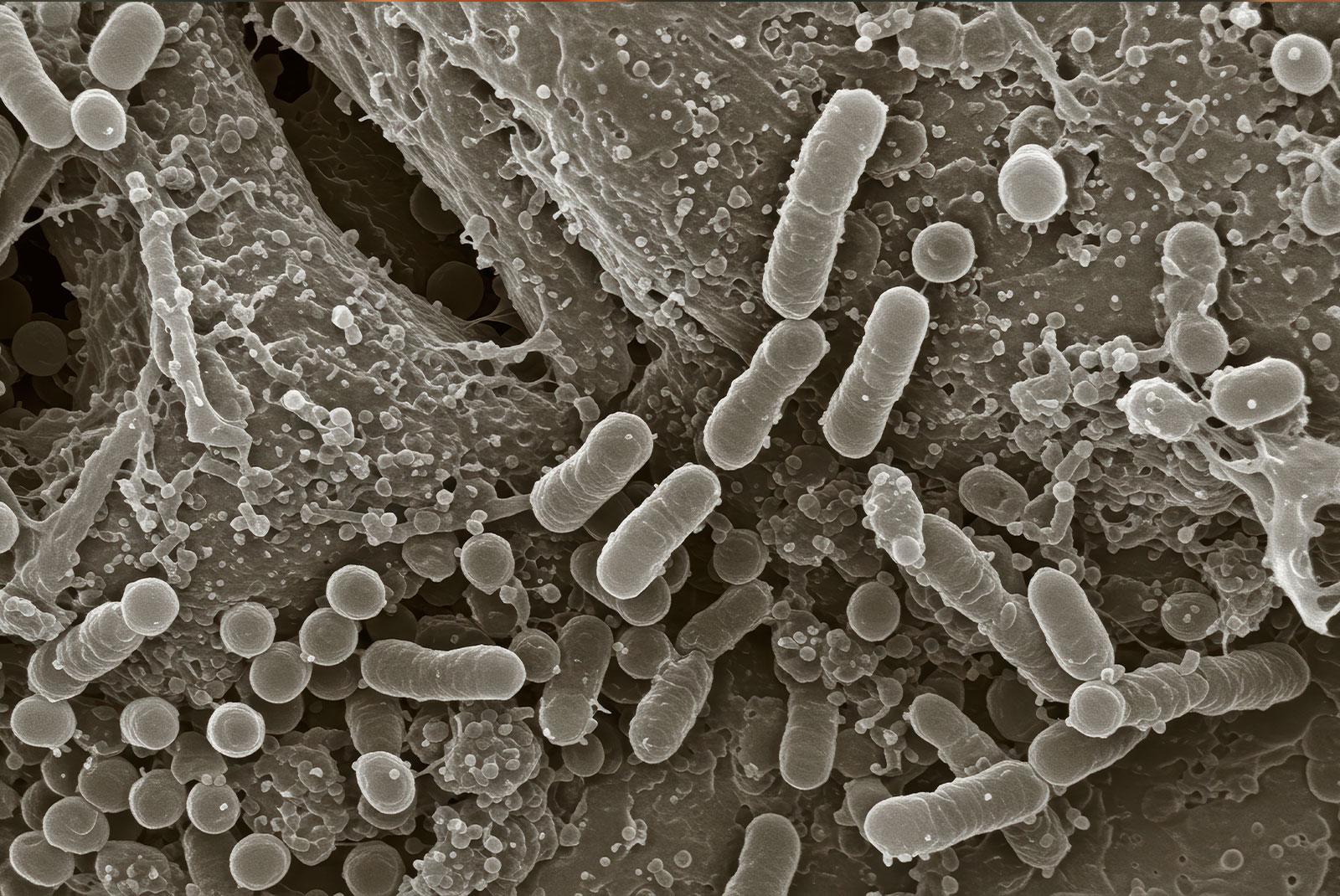
Oral pathology is a specialized field involving the clinical and microscopic diagnosis and management of oral and maxillofacial diseases. While oral pathologists are considered experts in oral pathology, oral surgeons, periodontists, and dentists are also trained to recognize changes in tissue that may signal the beginning of a disease. If our hygienists or periodontists detect a suspicious-looking abnormality, a biopsy is taken and sent to an oral pathology lab for diagnosis.
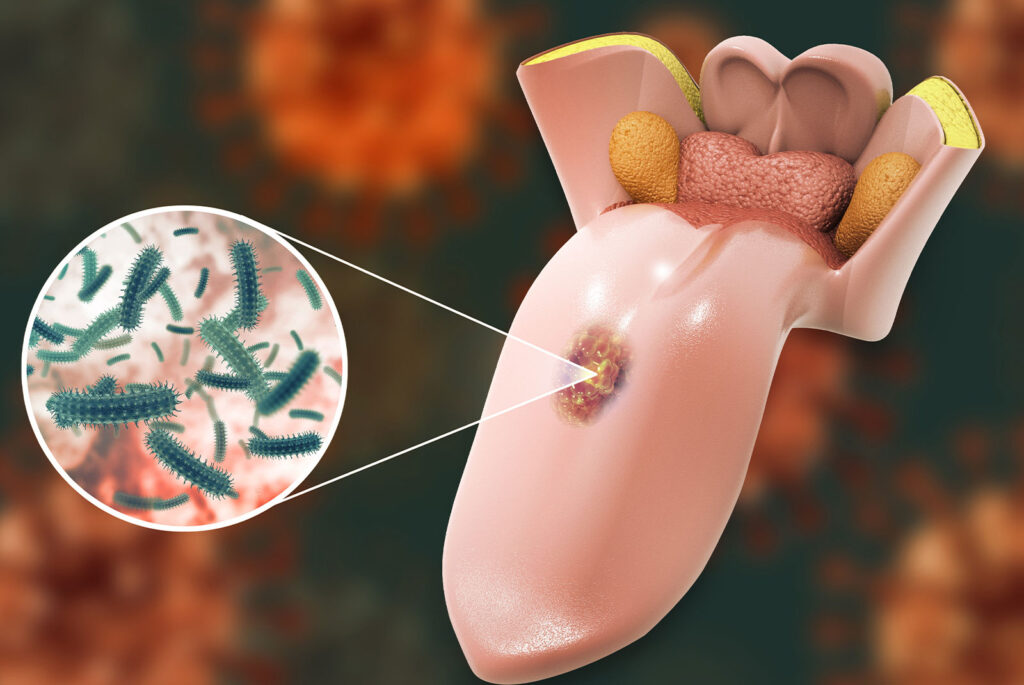
While oral cancer is the most significant disease we look for during exams at Implant & Periodontal Associates Northwest, benign lesions can cause discomfort and may require treatment. The good news is that the majority of unusual growths that are detected are found to be benign. In addition to oral cancer, our team will screen for other oral conditions.
A thickened mass that can feel like a lump in the lining of the mouth, caused by chronic irritation or repeated minor mouth trauma.
A Condition that causes white patches to form inside the mouth that can’t be scraped off. This condition often results from chronic irritation (e.g., tobacco/alcohol use or rough teeth) or weakened immunity. If the patches look precancerous, a biopsy is required.
An inflammatory disease that can cause discomfort. While the exact cause is unclear, the experts believe this condition is associated with the immune system attacking cells of the skin or mucous membranes.
This rare autoimmune disease can cause blisters and scarring on moist areas of the body, including the mouth and genital regions. Depending on the location and severity, this condition can lead to significant complications.
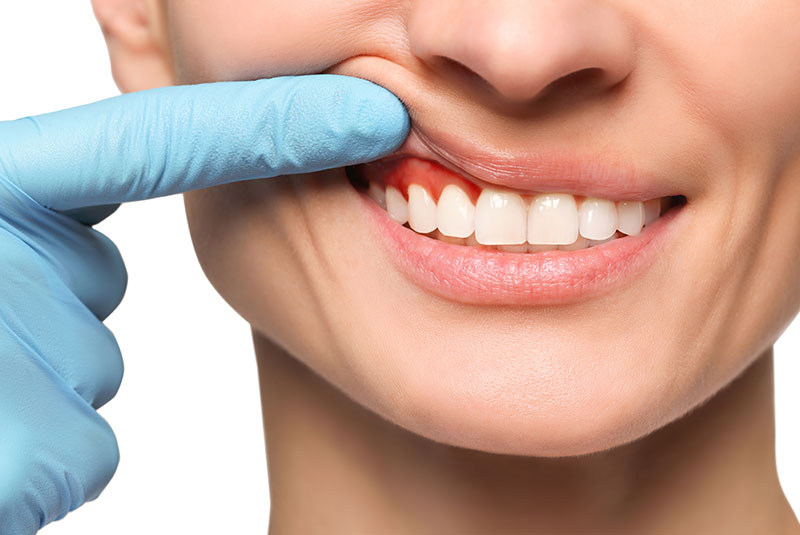
These benign reactive growths that form on gum tissue bleed easily. They’re most often caused by minor trauma, chronic irritation (e.g., poor hygiene, rough fillings, or piercings), hormonal changes (especially during pregnancy), and certain medications.
Cases of oral cancer are increasing in the U.S., from an estimated 45,703 cases in 2020 to nearly 60,000 projected cases in 2025. Oral cancers can develop on the tongue, on the tissue lining the mouth and gums, under the tongue, at the base of the tongue, and in the area of the throat at the back of the mouth.
Tobacco use of any kind increases the risk of oral cancer. Heavy alcohol use also increases the risk, while use of both tobacco and alcohol elevates the risk more significantly. The Human Papillomavirus (HPV), especially type 16, has been identified as a risk factor in oropharyngeal (throat) cancers, even in people who don’t use tobacco or alcohol.
After numbing the area with local anesthesia, Dr. Vikas Puri removes a small piece of the lesion or its entirety to send to the pathology lab for microscopic analysis. The biopsy report helps establish a diagnosis and enables the development of a treatment plan with the oral pathologist that our team will review with you.
After the biopsy, it’s normal to experience some discomfort or soreness for a few days. While you may need over-the-counter analgesics to alleviate pain, most people can return to work later the same day. And remember, the good news is that most lesions found during oral exams in Richland, WA, are benign.