
Maintaining good oral health is pivotal to overall wellbeing, and choosing the right toothbrush plays an essential role in this maintenance. Whether combating plaque buildup or ensuring healthy gums, a well-chosen toothbrush can partner with you on your journey towards excellent dental hygiene. Here, we explore how to choose the right toothbrush to support your oral health effectively, highlighting considerations particularly significant for patients in Richland, WA.
Why Choosing the Right Toothbrush Matters
Selecting an appropriate toothbrush goes beyond aesthetic reasons. A proper toothbrush helps inhibit the start of periodontal diseases and maintains the integrity of your dental structures, which can be crucial for those considering or having undergone dental implant procedures.
-
Impact on Oral Health: A toothbrush serves as a frontline fighter against cavity-causing bacteria. It aids in effectively removing food particles and plaque which can cause tooth decay and gum disease. Choosing a toothbrush that effectively cleans without causing damage to your enamel or irritation to your gums is paramount.
-
Role in Preventing Gum Disease: Gum disease can lead to significant dental problems if unchecked. The best toothbrush for gum health will have bristles soft enough to avoid irritation yet powerful enough to clear debris. The right choice helps prevent issues like gingivitis, which can otherwise progress to more serious conditions affecting oral and general health.
Types of Toothbrushes
Amid numerous options, understanding each type of toothbrush is vital for making a choice suited to your needs and preferences.
-
Manual Toothbrushes: These traditional tools come in various sizes and bristle strengths. They provide the user full control over brushing force and technique but may require more skill to achieve optimal dental cleaning compared to electric toothbrushes.
-
Electric Toothbrushes: Powered toothbrushes often oscillate or rotate to aid in teeth cleaning. They are particularly beneficial for individuals with limited dexterity or difficulty achieving thorough cleaning with a manual brush. Studies suggest they can be more effective in reducing plaque and gingivitis.
-
Pros and Cons: While manual toothbrushes are economically favorable and offer user control, electric alternatives often provide superior cleaning capabilities and convenience at an increased price.
What to Consider When Choosing a Toothbrush
The right toothbrush is one that aligns with your personal needs and dental health goals, supported by professional guidance.
-
Bristle Variety: Toothbrushes generally come with soft, medium, or hard bristles. Soft bristles are typically recommended due to their gentle approach, which minimizes erosion or damage to the enamel and gums. This factor is crucial for individuals undergoing specific dental treatments like implants or periodontal therapy offered by Dr. Puri.
-
Handle Design: Ergonomics play a role in ease of use and effectiveness. Typically, a comfortable, non-slip grip can make a notable difference in brushing habits and efficiency.
-
ADA Approval: Picking a toothbrush with the American Dental Association (ADA) Seal of Acceptance ensures that the product meets fundamental safety and efficacy standards.
Best Toothbrush for Gum Health
Periodontal or gum health demands special attention and specific toothbrush characteristics facilitate more attentive care.
-
Soft vs. Hard Bristles: Soft bristle toothbrushes are recommended for optimal gum health. They reduce the risk of gum recession and irritation, which are pertinent considerations for those being treated for or at risk of periodontal disease.
-
Electric Features Beneficial for Gums: Some electric toothbrushes offer gum care modes with special bristle movements and pressure sensors geared towards gently sustaining healthy gums.
Impact of Toothbrush Choice on Dental Implants
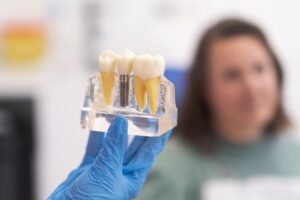
Patients with dental implants must consider their toothbrush choice carefully, as certain features can influence the longevity and health of their implants.
-
Special Considerations: For those with dental implants, using a toothbrush that ensures gentle yet effective plaque removal without damaging the implant surface or adjoining gums is critical.
-
Dr. Puri’s Recommendations: Dr. Vikas Puri suggests investing in a toothbrush which can clean effectively around implants, encouraging patients to discuss specific concerns during visits to determine an individualized brushing regimen.
How Often to Replace Your Toothbrush
Regular replacement of your toothbrush is equally crucial as the choice of the toothbrush itself.
-
Signs It’s Time for a New One: Apart from apparent wear like frayed bristles, toothbrushes should generally be replaced every 3-4 months. However, after illnesses, replacing it sooner is advisable to prevent re-infection.
-
Maintenance Tips: Rinse your toothbrush thoroughly after each use and store it in an upright position to air-dry, which reduces the risk of bacterial growth.
Additional Dental Care Tips
Complementing regular brushing with additional practices promotes comprehensive oral health.
-
Flossing Techniques: Effective flossing removes plaque and food particles unreachable by a toothbrush, considered vital for preventing gum disease, a service area that Dr. Puri provides expertise in through periodontal therapy.
-
Importance of Regular Checkups: Routine dental visits aid in early detection of potential issues, enhancing outcomes through preventive care and timely intervention.
-
Nutritional Advice: A balanced diet reduces the risk of cavities and supports the health of teeth and gums. Limiting sugar intake and staying hydrated are simple yet effective practices to follow.
FAQs About Toothbrush Selection
-
How Do I Know If My Toothbrush Is Right for Me? Your toothbrush should provide comfortable, effective cleaning without causing discomfort or abrasion. Consultation with Dr. Puri can help tailor advice to your dental health status.
-
What’s the Ideal Bristle Type for Sensitive Gums? Soft bristles are usually ideal for those with sensitive gums, offering a safe cleaning routine that avoids irritation.
-
Can Electric Toothbrushes Enhance Oral Health? Electric toothbrushes improve oral health outcomes for many, especially those seeking more efficiency or with limited manual dexterity.
-
How Often Should I Change My Toothbrush? Regular replacement, every 3-4 months or after illness, ensures optimal hygiene and effectiveness.
-
Are Specialized Brushes Required for Dental Implants? Yes, choosing a brush with features like soft bristles and sensitivity options supports implant care, with personalized recommendations available at Puri’s practice.
Schedule a Consultation with Dr. Puri
For a personalized approach to your oral health, scheduling a consultation with Dr. Vikas Puri in Richland, WA can provide invaluable insight. Whether you’re interested in maintaining healthy gums or exploring advanced periodontal care, our team is here to support your needs with specialized expertise. Contact us today to begin your journey towards optimal oral health.